
Call OC’s Favorite Screen Service!


151,000 Happy Homes!
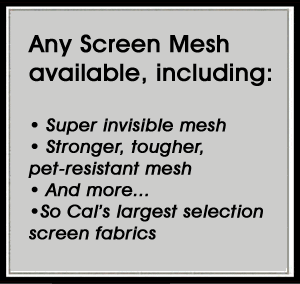
Meet Our Super Invisible Mesh
Experience a screen so clear, you'll have to touch it to believe it
OC’s Largest Selection
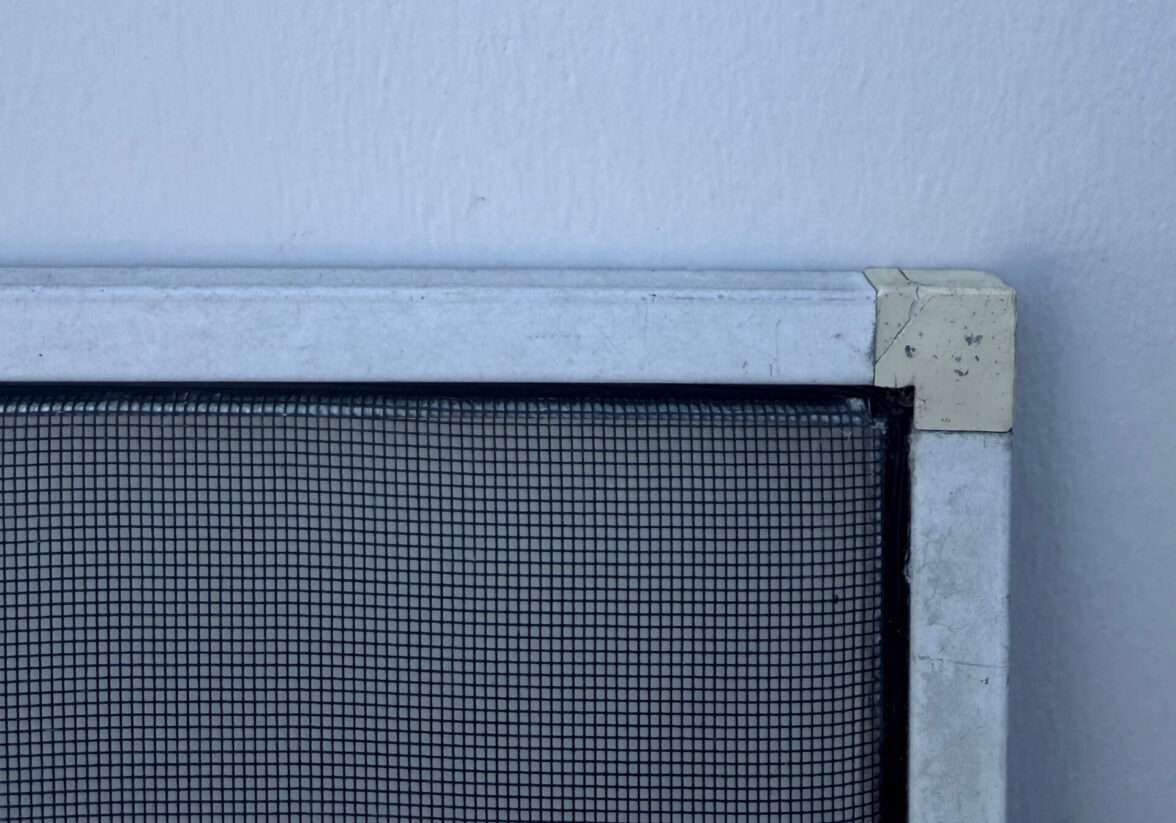
The Problem
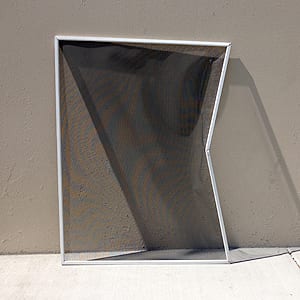
We stock replacement plastic corners but don't recommend them; they quickly become brittle, discolored, and broken
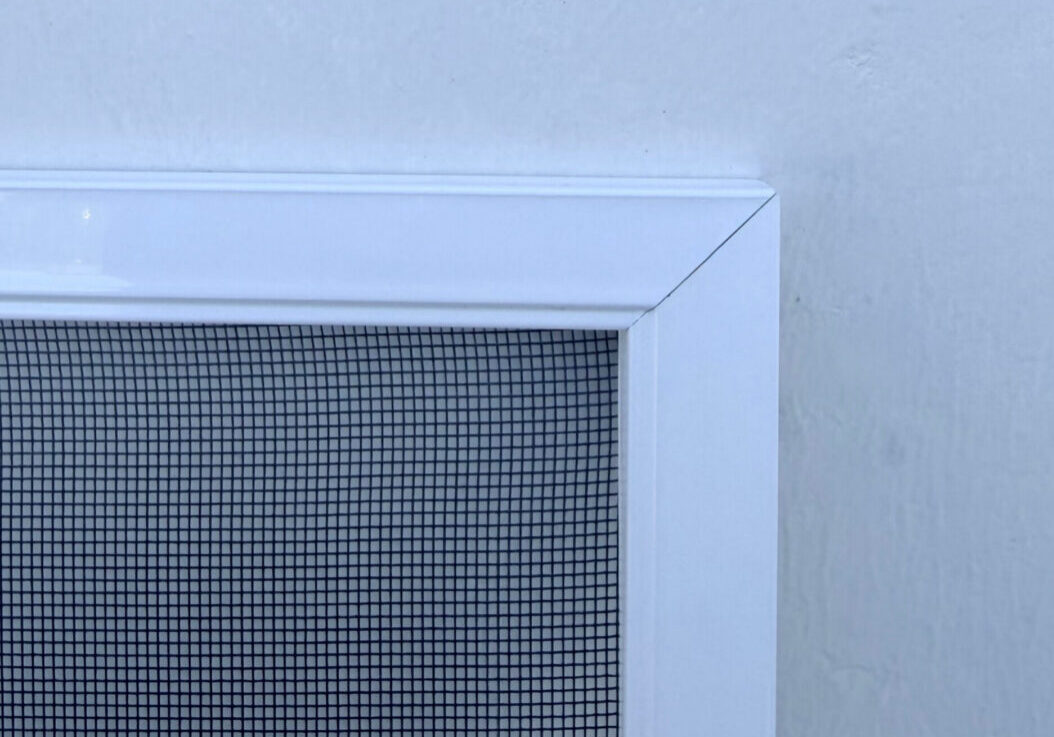
The Solution
We always use stronger metal corners on our new custom made window screens for maximum strength and durability
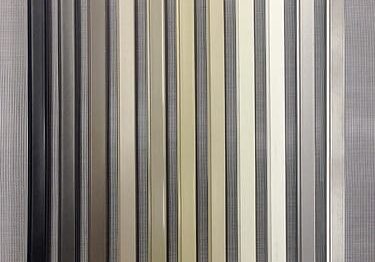
Standard Colors
We stock Orange County’s largest selection of standard, color-matched window screen replacements for your home
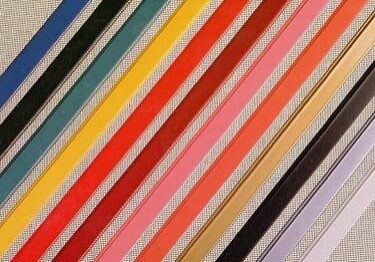
Custom Matching
Stand out with custom framing! We offer expert color-matching tailored perfectly to your custom home or unique needs

The Magic of the Invisible Screen: A Love Letter to What You Don’t See
Imagine standing at your favorite window on a perfect Southern California evening. The golden light pours in, painting the room in warm hues. Outside, the garden glows, the pool sparkles, and the distant hills roll under a flawless sky. You lean closer, drawn by the view… and there it is. Or rather, there it isn’t. No ugly grid. No distracting web. No visual tax on the beauty you paid good money to enjoy. Just pure, uninterrupted scenery. It feels like sorcery. Like the window itself decided to cooperate with nature for once. Who wants to notice window screens? Nobody! Who wants something blocking their view? Absolutely nobody! But who wants a screen that’s undetectable, that vanishes so completely it feels like an optical illusion? Everybody.
Welcome to the wondrous, underappreciated world of invisible window screen mesh. The fabrics so refined, so ethereal, they earn every synonym for unseen: imperceptible, unseeable, indiscernible, concealed, inconspicuous, hidden, transparent to the point of transcendence. These aren’t your grandfather’s clunky barriers. These are modern miracles that let the outside world flood in while quietly keeping the bugs out. Get ready to be amazed. You won’t believe your eyes...mostly because you won’t see anything there at all.
The Tyranny of the Visible: Early Screens and Their Bulky Rebellion
Let’s travel back in time, shall we? Picture the 19th century. Windows needed protection from flies, mosquitoes, and the occasional adventurous squirrel, but engineering wasn’t exactly subtle. Enter the era of metal wire screens. Brass, copper, even iron. These things were substantial. Thick strands woven into grids that could double as chainmail for a very small, very picky knight.
Brass and copper meshes had a certain old-world charm, I suppose, if your aesthetic leaned toward “steampunk prison window.” They gleamed at first, sure, but they oxidized quickly, turning green or dull brown, and they were heavy. Installation required muscle and optimism. The weave was coarse, maybe 12 to 16 mesh, (meaning 12 to 16 openings per inch) so you could see each individual wire from across the room. They rattled in the wind. They collected dust like it was their full-time job. And worst of all, they announced themselves. “Hello! I am a screen! Look at me obstructing your view!”
Humorously enough, people tolerated them because the alternative was sharing your home with every flying pest in the county. But aesthetically? They were about as inconspicuous as a marching band in a library. You couldn’t ignore them any more than you could ignore a neon sign blinking “BUG BARRIER.” The view was forever compromised by this visible lattice, turning scenic vistas into pixelated approximations of themselves.
Then came aluminum. Lighter, cheaper, less prone to rust than iron. A genuine upgrade in the mid-20th century. Aluminum screens dominated for decades, and they’re still around today in basic installations. They’re thinner than brass, sure, but still very noticeable. The metallic sheen catches the light in all the wrong ways, creating glare on sunny days and looking downright dingy when it’s time to clean. The weave is typically similar to the older metals. Functional, but far from invisible. Stand ten feet away and you see the grid. Stand closer and you see every tiny imperfection. It’s like wearing glasses with fingerprints all over the lenses: you get the idea of the view, but the magic is gone.
Pros of these early metal screens? Durability in tough conditions and decent bug protection. Cons? They scream for attention. They age poorly. They make your beautiful windows look like they’re wearing cheap sunglasses. Nobody dreams of a home with “that classic aluminum screen vibe.” They were a necessary evil. Visible, intrusive, and about as romantic as a root canal.
The Fiberglass Revolution: Better, But Still Apparent
Progress marched on, thank goodness. Enter nylon-coated fiberglass mesh. This was the big leap for residential screens in the late 20th century. Lighter than metal, flexible, and much less likely to dent or corrode. Fiberglass became the workhorse of the industry because it could be produced in larger rolls, installed more easily, and came in various colors (black being a popular choice to minimize visibility).
It’s a solid step forward. The coating protects the glass fibers, and the material doesn’t conduct heat or cold as aggressively as metal. But let’s be honest, it’s still somewhat apparent. Especially in larger windows or sliding doors, you can see the weave. On a bright day, it can create a faint haze or a subtle grid effect that dulls the sharpness of your view. It’s better than aluminum, yes, but it’s not disappearing. It’s like a polite guest who still takes up space on the couch. You notice it’s there.
Pros: Affordable, easy to replace, good airflow, decent strength for standard use. Cons: Can sag over time if not properly tensioned, susceptible to tearing from pets or sharp objects, and it still imposes a visual presence that finer materials simply refuse to. It’s the reliable sedan of screen meshes...gets the job done without flair.
People lived with this compromise for years. “It’s just a screen,” they’d shrug. But deep down, everyone wanted more. They wanted the view to feel naked in the best possible way.
Enter the Exotics: Where the Real Magic Begins
Now we arrive at the thrilling present, the age of materials so advanced they border on science fiction. These are the fabrics that earn every glowing synonym: unseen, imperceptible, unseeable. The ones that make you do a double-take and whisper, “Wait… is there even a screen there?”
First up: ultra-fine nylon monofilament designs. These are shockingly refined. Imagine individual strands thinner than a human hair, woven with extraordinary precision. The mesh count jumps way up, often 20x20 or finer, creating openings so small that insects are denied entry while light and air flow freely. The material is nearly transparent because the threads occupy so little of the visual plane. From inside or outside, the screen melts away. You look through it as if it’s barely there.
The amazement hits when you get close. Touch it (gently!) and it feels delicate yet resilient. It doesn’t have that coarse, woven-rope texture of older screens. It’s smooth, almost silky. Sunlight passes through with minimal distortion. Views remain crisp...colors pop, details stay sharp. It’s like the window decided to go minimalist.
Humorously, these screens play tricks on the mind. Guests will compliment your “screen-free” windows, only to be stunned when you point out the invisible guardian keeping the flies at bay. “No way!” they’ll say, pressing their nose against the glass. It’s an illusion worthy of a magician. One moment you’re enjoying an open vista; the next you realize there’s a sophisticated barrier doing its job in total silence and near-invisibility.
Pros of superfine nylon monofilament: Exceptional optical clarity, reduced visual obstruction, lightweight, good flexibility, excellent for maximizing natural light. It handles wind and minor impacts well for its fineness. Cons: While stronger than it looks, it may not be the absolute toughest against determined pets or branches in storm-prone areas (though proper frame tensioning helps immensely). It’s a premium choice for those who prioritize the view above all.
Next, prepare to have your mind blown by ultra-thin stainless steel strand mesh. This is the exotic superstar, the one that feels like it belongs in a spy movie or a high-tech laboratory. Tiny strands of stainless steel, woven at microscopic levels, create a fabric that is astonishingly see-through. The metal is so fine it defies its own nature. No bulky grid here. Instead, it’s a whisper of protection.
Stand back. Look out. The screen is concealed. Inconspicuous to the extreme. You might need to run your finger along the frame just to confirm it’s installed. The stainless steel offers incredible strength and longevity. Resistant to corrosion, pets, hail, and the ravages of time. It doesn’t stretch or sag like some synthetics. Airflow remains superb because the open area percentage is remarkably high despite the fineness.
The amazement factor? Off the charts. On a clear day, it’s as if the window has no screen at all. Birds don’t even register it as a barrier (which, while funny when they get confused, speaks to its invisibility). Inside, the room feels larger, brighter, more connected to the outdoors. It’s hidden perfection.
Pros of ultra-thin stainless steel: Extreme durability, pet-resistant, corrosion-proof, maintains tension beautifully over years, superior strength-to-visibility ratio. Cons: Higher cost (you’re paying for engineering marvels), and it can be slightly more reflective in certain lighting, though the ultra-fine weave minimizes this dramatically compared to older metals. Installation requires precision to showcase its full invisible glory.
These modern marvels represent a quantum leap. From the clunky metal screens that dominated for over a century to these ethereal fabrics, the evolution is nothing short of miraculous. What was once a visual compromise is now a celebration of what you don’t see.
We made that choice 38 years ago. Explain the value once. Do not spend the next decade explaining a screen that looked acceptable in the shop and wrong in the room. Screen mesh is among the smallest upgrades on the largest investment most families own. It is a strange place to accept second-class cloth.
Why Invisibility Matters: The Emotional Payoff
There’s something profoundly satisfying about living with the imperceptible. It’s a small luxury that compounds daily. Mornings feel airier. Evenings more serene. The home breathes with the landscape rather than fighting it. No more mental subtraction of the screen from every photo or memory. Just pure connection.
Kids press their faces against the glass without noticing the barrier. Pets patrol confidently, sometimes comically bumping into the invisible wall (sorry, Fluffy). You save time cleaning because there’s less surface to catch dust and debris in the first place. And aesthetically? Your windows look like high-end architectural features rather than afterthoughts.
The sense of amazement never fades. Every time you glance outside and register that effortless clarity, it’s a tiny hit of delight. “How is this possible?” your brain asks, even months later. It’s the joy of good design, when something works so well it disappears.
The Future Feels Invisible
We stand at the cusp of even greater wonders. Research continues into nanomaterials, self-cleaning coatings, and meshes that adapt to conditions. But even today’s options deliver that core promise: screens you won’t perceive. Unseen guardians. Hidden heroes. Inconspicuous marvels that protect without intruding.
So the next time you’re considering new screens, dare to dream bigger than “good enough.” Seek out the fabrics that vanish. Demand the illusion. Insist on the magic. Because nobody wants to notice window screens. Everybody wants to forget they’re even there.
And with these incredible new materials; ultra-fine nylon monofilament, shockingly transparent stainless steel strands, and their sophisticated cousins, you can. It’s right there in front of you… or rather, it isn’t. And that absence is the most beautiful thing of all.
The wonder never ends. We want you to feel, witness, and explore these exotic samples in person for the full mind-blowing effect!